Every autumn, the trend reports land like a weather forecast nobody asked for: loud, confident, and oddly disconnected from what’s actually hanging in your wardrobe. You scroll past runway shots of sheer layering and sculptural shoulders, then look at your bank balance and wonder which of these ideas are meant for real life. That gap between the catwalk and the checkout is where most of us live. So here’s a straight verdict on the fashion trends for this season — three that earn their place in your closet, and three that will look dated by the time the clocks change again.
The test I’m applying is simple. A trend is worth your money if it works with at least three things you already own, survives more than one season of wear, and doesn’t require a specific body, height, or lifestyle to look good. Everything else is a costume. With that filter in place, the shortlist gets much shorter than the magazines suggest.
Three Trends Worth Trying This Season
Rich, dark denim in straight and wide cuts. Denim never really leaves, but the silhouette shifts, and this season it has settled firmly on straighter and wider legs in deep indigo, washed black, and espresso brown. The appeal isn’t novelty — it’s that these cuts flatter more bodies than the skinny jeans they replaced, and the darker washes read as smarter without trying. A pair in a rigid or lightly stretchy cotton will carry you through work, weekends, and everything in between. Buy one good pair rather than three cheap ones. Check the hem length against the shoes you actually wear, not the ones you’d like to wear.
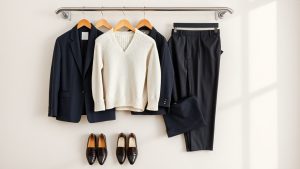
Soft tailoring in relaxed shapes. The stiff, sharp-shouldered blazer is having a quieter moment. What’s working instead is tailoring that feels almost like knitwear: unstructured blazers, longline waistcoats, and wide-leg trousers in brushed wool or a wool-blend. These pieces solve a real problem — they let you look put-together without the armour-plated feeling of traditional office wear. A relaxed blazer in a neutral tone (camel, charcoal, or a deep olive) will outlast almost any other jacket you buy this year. Wear it over a plain tee and jeans, or over a slip dress, and it earns its cost per wear fast.
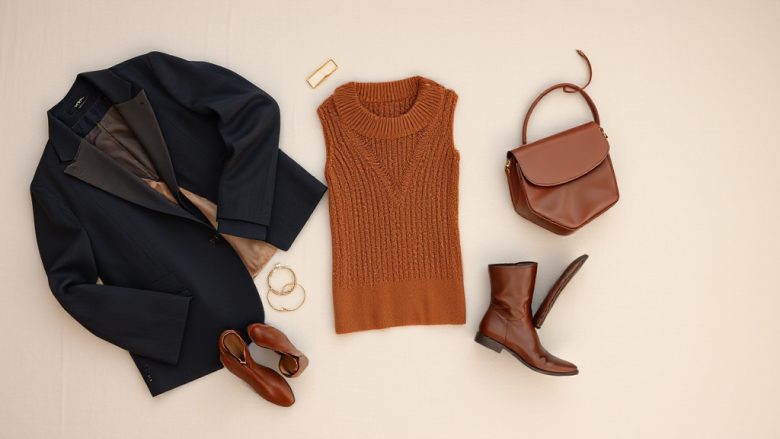
Textured knitwear in earthy tones. Chunky cable knits, ribbed cardigans, and brushed mohair-blends are everywhere, and this is one trend where the high street genuinely competes with designer price points. The colours to look for are rust, moss, oatmeal, and burgundy — shades that flatter most skin tones and pair easily with denim, tailoring, or leather. The trick is proportion: if the knit is oversized, keep the bottom half cleaner; if it’s cropped, let the trousers do the volume. One well-chosen knit can carry an entire autumn wardrobe.
What ties these three together is that none of them demand a complete overhaul. They slot into what you already wear and make it look more considered. That’s the mark of a trend worth following.
Three Trends to Skip (For Now, at Least)
Extreme sheer layering. Sheer skirts, transparent tops, and visible lingerie as outerwear photograph beautifully and translate badly to a Tuesday morning commute. Unless you work in fashion, media, or a very specific creative environment, you’ll spend more time figuring out what to wear underneath than actually enjoying the look. The trend also dates fast — sheer everything was everywhere this season precisely because it’s easy to produce and easy to photograph. If you love the idea, take it in small doses: a sheer sleeve, a mesh layer under a blazer, a translucent bag. Skip the full sheer dress.
Hyper-specific micro-trends with a short shelf life. Every season throws up a handful of looks that exist mainly to be photographed: tiny sunglasses, exaggerated platform shoes, novelty bag shapes, and whatever colour the algorithm has decided is “the” colour. These aren’t bad clothes — they’re just expensive to keep up with. The tell is when a piece only works with one outfit or one mood. If you can’t imagine wearing it three different ways, it’s a costume, not a wardrobe addition. Give it a season and see if you still want it. Most of the time, you won’t.
Logo-heavy statement pieces. Big branding is back on the runways, but it’s the least forgiving trend on this list. A logo piece dates the moment the campaign ends, and it rarely mixes well with anything else you own without looking like an advert. It also tends to be the most expensive way to buy the least versatile item in your closet. If you want a statement, make it about shape, colour, or texture instead — those age far better than a name across your chest.
None of this means you should never wear a micro-trend or a bold logo. It means being honest about why you’re buying it. If it’s for a specific event or a specific mood, fine. If it’s meant to be a workhorse, it probably isn’t one.
How to Adapt These Trends to the Closet You Already Own
The most useful skill in dressing well isn’t spotting trends — it’s translating them into your existing wardrobe without buying a whole new one. Start by pulling out the pieces you wore most over the past few weeks. Not the ones you wish you wore. The ones with actual wear on them. That’s your baseline, and every trend decision should be measured against it.
Then look for one or two anchor pieces that bridge the old and the new. If you already live in jeans and knitwear, the dark denim and textured knit trends are almost free — you’re just upgrading what’s there. If your wardrobe leans tailored, the relaxed tailoring trend lets you soften it rather than replace it. The goal is a small number of additions that make the rest of your closet feel fresh again.
Colour is the cheapest way to update. If you’re not ready to buy new shapes, add one piece in a shade you don’t currently own — a burgundy knit, an olive trouser, a rust scarf. It shifts how everything around it reads, and it costs far less than a new coat. Accessories work the same way: a wider belt, a chunkier boot, a different bag shape can pull an old outfit into the current season without a single new garment.
Finally, give yourself permission to ignore most of it. The fashion industry needs you to believe you’re behind. You’re not. A wardrobe of pieces you actually wear, in colours that suit you, in shapes that fit your life, will always look better than a closet full of trends you bought because a headline told you to. This season, buy less, choose carefully, and let the trends come to you.